What makes a major urban or infrastructure project successful? Why do some plans remain stuck in the study phase for years? And how do you combine a clear long-term vision with the flexibility to adjust along the way?
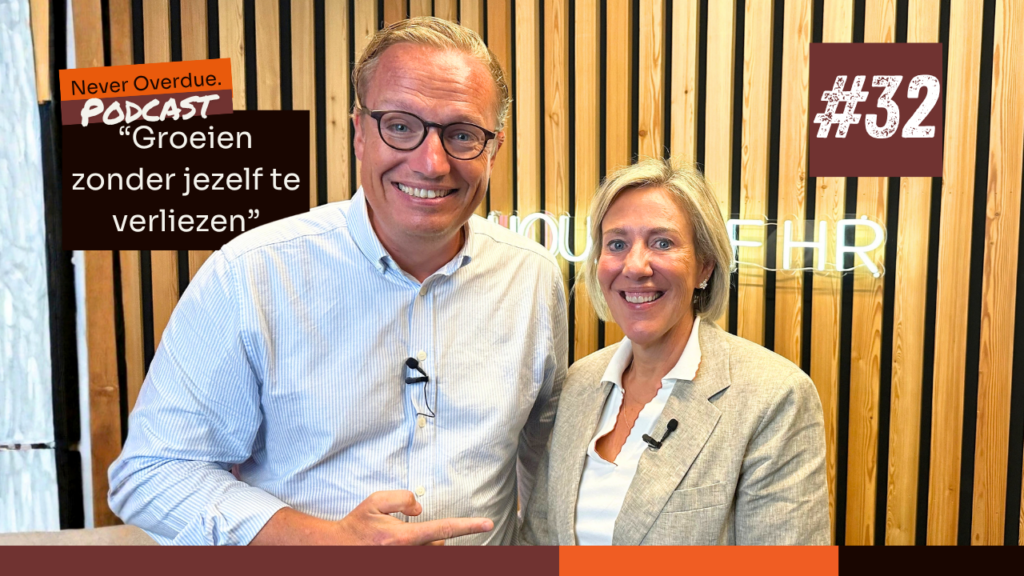
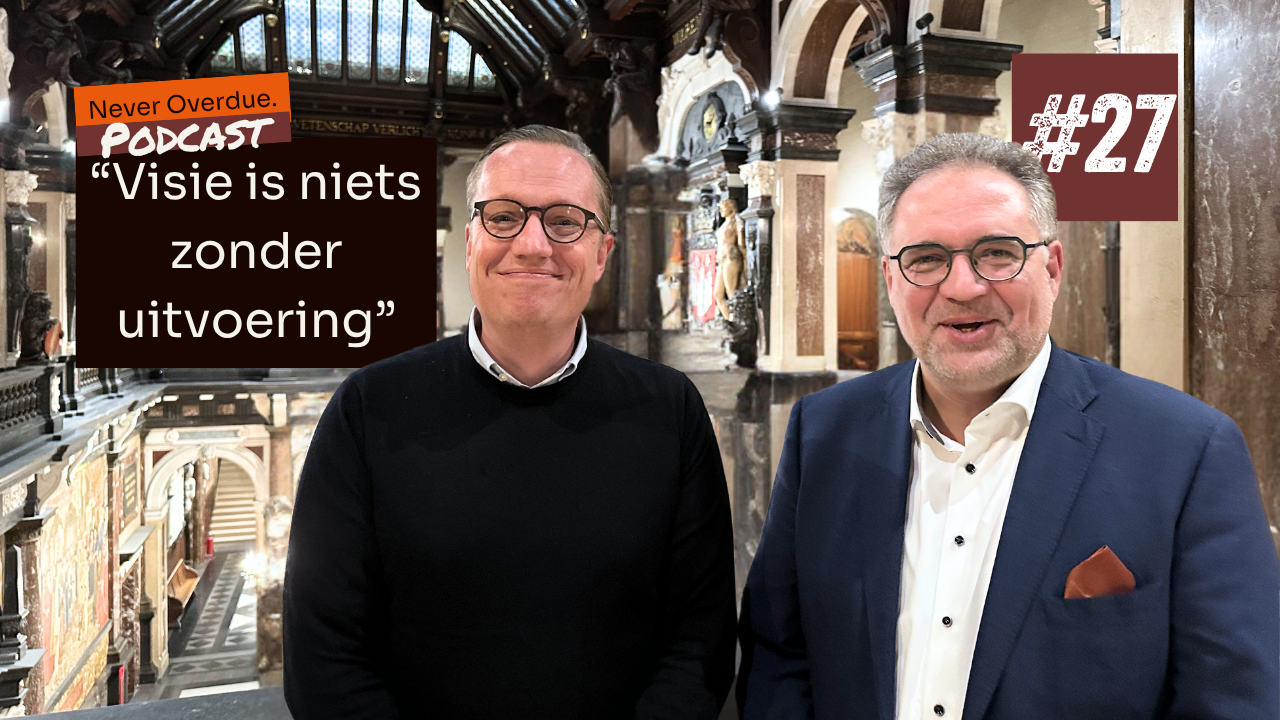
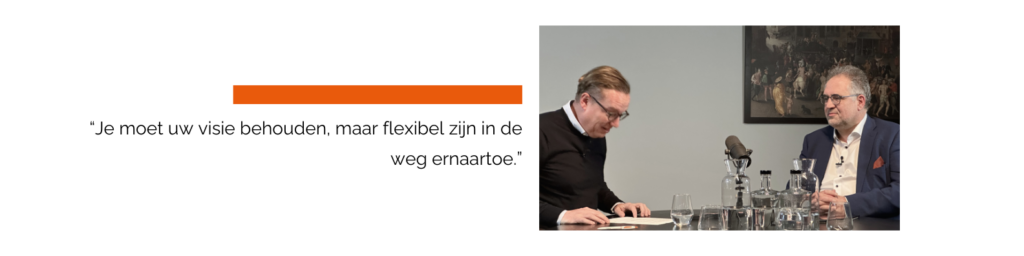
In the latest episode of the Never Overdue Podcast, Jean-Paul Van Damme speaks with Koen Kennis, Vice Mayor of Antwerp. The conversation goes far beyond politics. It focuses on leadership, decision-making, governance, major infrastructure projects, and the challenge of actually turning plans into results.
The insights from Koen Kennis are not only relevant for policymakers. Entrepreneurs, managers, and project leaders also face complex decisions, diverse interests, and projects where the path to the final goal is rarely fully predictable.
How Do You Turn Policy into Concrete Impact?
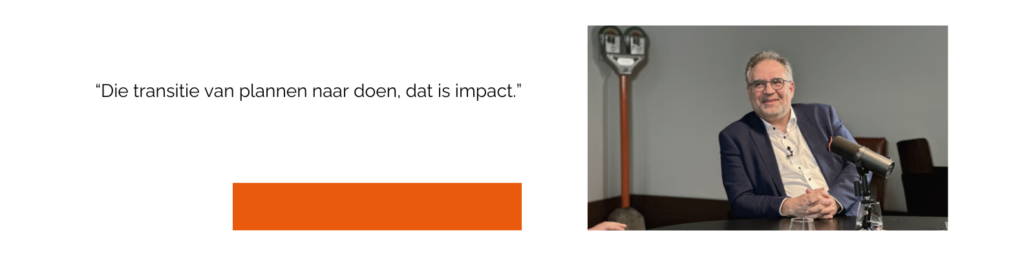
A good plan is not yet a result. According to Koen Kennis, real impact only occurs when policy is translated into concrete execution. Plans, studies, and visions are necessary, but ultimately, decisions must lead to action.
According to Kennis, this became clear during various major infrastructure projects in Antwerp. Where projects could remain stalled for years, real progress only emerges when decisions are made and execution actually begins.
The same principle applies to both administrators and business leaders: impact is created when strategy becomes visible in practice. A plan only gains meaning when citizens, customers, employees, or other stakeholders actually experience the result.
Why Do Large Projects Often Fail Due to Governance?
In complex projects, the focus is often on technical challenges. According to Koen Kennis, however, the real problem often lies elsewhere: in governance, decision-making, and accountability.
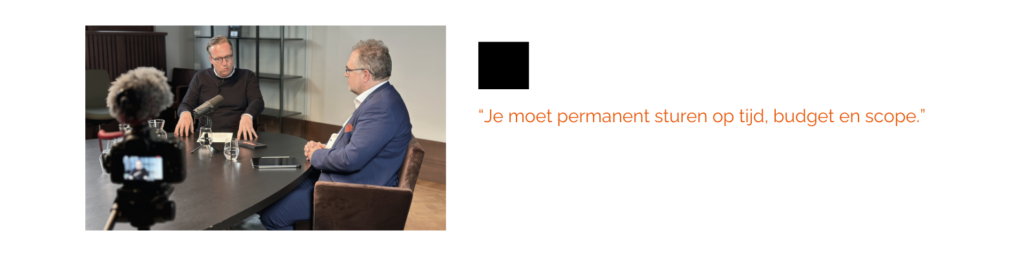
A project requires clear direction. Scope, budget, and timing must be continuously monitored, and responsibilities must be clear. When a project begins to deviate without anyone intervening, small discrepancies can eventually grow into major problems.
Good governance, therefore, does not just mean retrospective control. It means that throughout the project, there is clarity about who decides, who is responsible, and how progress is monitored.
For major infrastructure projects, as well for corporate transformations and other complex projects, this clear ownership is essential.
How Do You Combine Long-Term Vision with Flexibility?
A long-term vision provides direction, but the path to that goal can change. According to Koen Kennis, it is therefore important to keep a clear destination in mind without clinging to a single predetermined path.
The circumstances in which a project is executed are constantly changing. Economic conditions, societal expectations, technical possibilities, or political decisions can necessitate adjustments to an original plan.
According to Kennis, the solution is not to repeatedly change the vision, but to be flexible in execution. When a certain route does not work, you must be able to find an alternative without losing sight of the ultimate goal.
This requires not only strategic insight but also resilience and the ability to reconcile diverse interests.
What Can Entrepreneurs Learn from Major Public Projects?
The lessons from major urban and infrastructure projects are also applicable within companies. Both public and private organizations must translate strategy into execution, manage complex projects, and align various stakeholders.
According to the insights of Koen Kennis, three elements are crucial: clear accountability, continuous monitoring, and flexibility in execution.
A strategy has little value when no one is responsible for its execution. And even a well-managed project must be adaptable when reality changes.
Therefore, according to this vision, good leadership is not just a matter of setting a direction. It is also about making decisions, taking responsibility, and ensuring that an organization actually moves forward.
Why Are Both Long-Term Vision and Execution Necessary?
A long-term vision ensures that organizations know where they want to go. Execution ensures that this ambition becomes a reality.
In the conversation, Koen Kennis demonstrates that both elements need each other. Vision alone leads to plans without results. Execution alone, without clear direction, can lead to fragmented decisions without coherence.
The challenge for leaders is therefore to connect direction and execution: knowing where you want to go, but being prepared to adjust the route when circumstances demand it.
Conclusion: Strategy Only Works When You Realize It
The conversation with Koen Kennis shows that successful governance and successful entrepreneurship have a surprising amount in common. In both cases, it involves complex decisions, diverse interests, limited resources, and a future that can never be fully predicted.
The most important lesson is that impact is not created by plans alone. Strong governance, clear accountability, and consistent execution are also required.
At the same time, a long-term vision requires sufficient flexibility. You must be able to maintain the destination while adapting the route to reality.
For policymakers, entrepreneurs, managers, and project leaders, the core remains the same: think long-term, take responsibility, and ensure that plans eventually become reality.
Frequently Asked Questions About Koen Kennis and Major Projects
Koen Kennis is the Vice Mayor of Antwerp. In the Never Overdue Podcast, he speaks about governance, major projects, infrastructure, leadership, decision-making, and long-term vision.
According to Koen Kennis, the problem does not always lie in technical complexity. Governance, decision-making, accountability, and monitoring play a major role in whether or not complex projects are realized.
Good governance ensures clear responsibilities, decision-making, and monitoring. Scope, budget, and timing must be continuously guarded to prevent a project from derailing.
By keeping the final destination clear but remaining flexible about the way you reach it. When circumstances change, it may be necessary to adjust the route without losing strategic direction.
Entrepreneurs can learn that strategy only gains impact when it is executed. Clear ownership, continuous monitoring, and the ability to adjust are essential for complex projects.