How do you grow without losing sight of your cash flow?
For many, Het Witte Paard is synonymous with glitter, shows, and entertainment on the Belgian coast. But behind the scenes lies a business story that is at least as interesting: how do you further expand an iconic brand while simultaneously keeping your cash flow, risks, and investments under control?
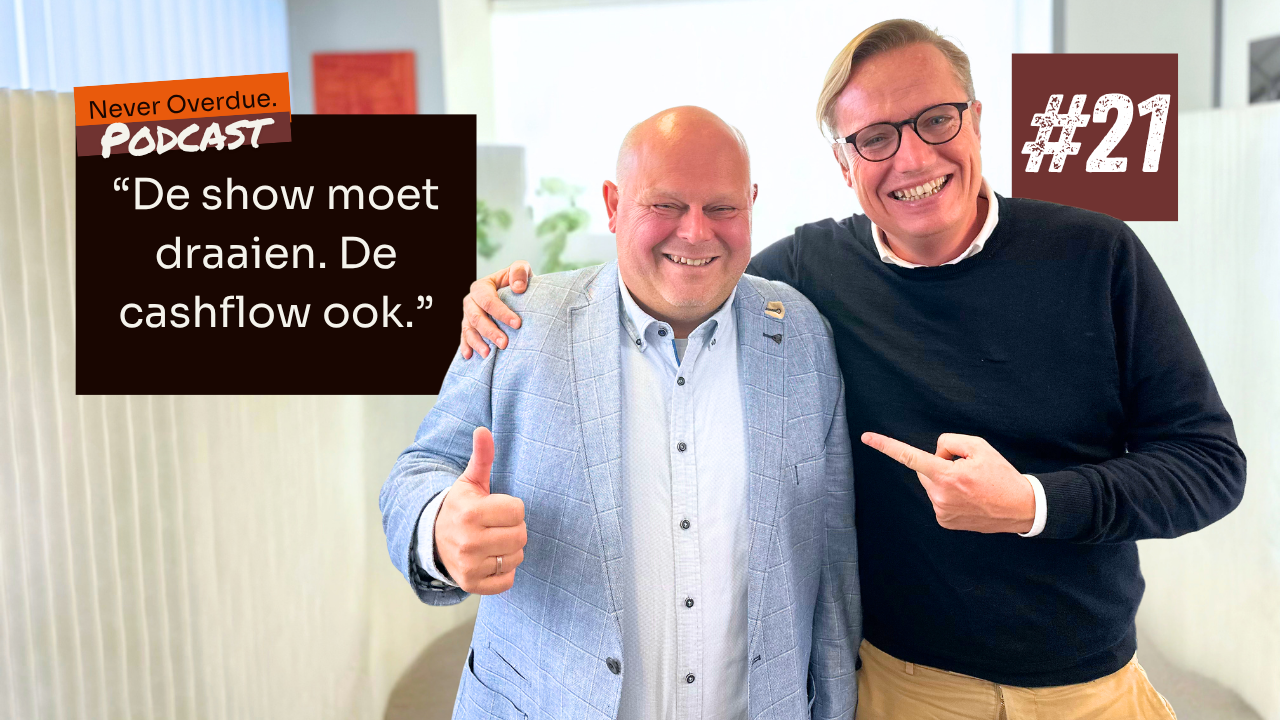
In episode 21 of the Never Overdue Podcast, Jean-Paul Van Damme speaks with Ben Van den Keybus, a fourth-generation entrepreneur and the driving force behind the transformation of WP Hotels & Events. He speaks openly about entrepreneurship, absorbing losses, making strategic choices, and rebuilding.
Because behind every show on stage are months of preparation, investments, and above all: financial choices.
Why is cash flow so important in the entertainment sector?
A production doesn’t start when the curtain rises. The most important financial decisions are often made months earlier.
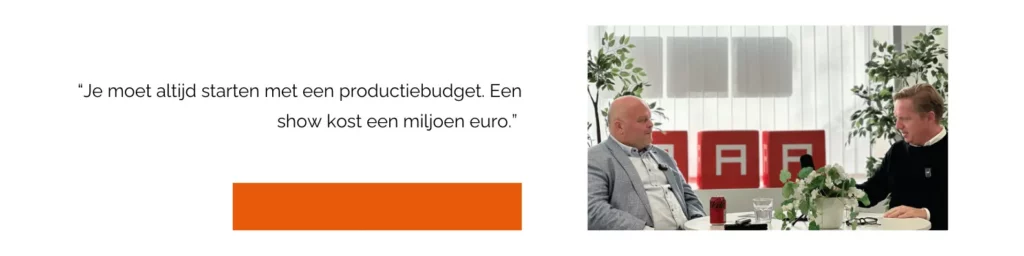
For Het Witte Paard, this means that a production must be fully budgeted and financially covered in advance. Four major revenue streams play a role in this: sponsorship, tax shelter, ticketing, and food & beverage.
Liquidity is therefore not an administrative matter handled after the fact, but a strategic prerequisite to be able to produce at all. A successful show requires not only creativity on stage but also discipline behind the scenes.
Cash flow helps determine what you can organize today and which risks you can bear tomorrow.
What happens when an entrepreneur takes over a company that is not in good financial shape?
Ben Van den Keybus took over Het Witte Paard with ambition but discovered that the challenge was greater than expected. The company wasn’t just struggling: the brand was outdated and there was work to be done.
These kinds of situations make it clear that entrepreneurship isn’t just about growth when everything is going well. An entrepreneur must also be able to handle setbacks, miscalculations, and losses.
According to Ben, several things are essential: people who dare to contradict you, the willingness not to think you know everything better, and the ability to rebuild after a difficult period.
Entrepreneurship doesn’t mean preventing every blow. It also means learning how to deal with them.
How can growth simultaneously provide more stability?
At first glance, expanding to multiple locations, hotels, and productions seems to primarily mean extra risk. But according to the logic behind WP Hotels & Events, scale can actually provide more stability.
Het Witte Paard grew from a theater hall into a broader hospitality ecosystem including shows, hotels, events, and activities across various locations.
These activities can reinforce each other. Hotels can bring visitors to shows. Shows can stimulate hotel stays. Productions strengthen the brand, and a stronger brand can attract new commercial opportunities.
The result is a business with multiple, complementary revenue streams instead of a single activity on which everything depends.
Strategic growth is therefore not just about more turnover. It is also about diversification, synergy, and predictability.
Why is contradiction important for entrepreneurs?
A striking element in Ben’s story is that entrepreneurs shouldn’t always be surrounded by people who agree with them.
Those who grow are constantly making decisions. But the larger an organization becomes, the more important it is to hear different perspectives and also receive pushback.
Ben emphasizes that you shouldn’t think you know it all better. Contradiction can help identify risks earlier, adjust decisions, and prevent entrepreneurship from turning into an exercise in ego.
This applies not only to entertainment. In other companies as well, a culture where people are allowed to argue back can contribute to better strategic decisions.
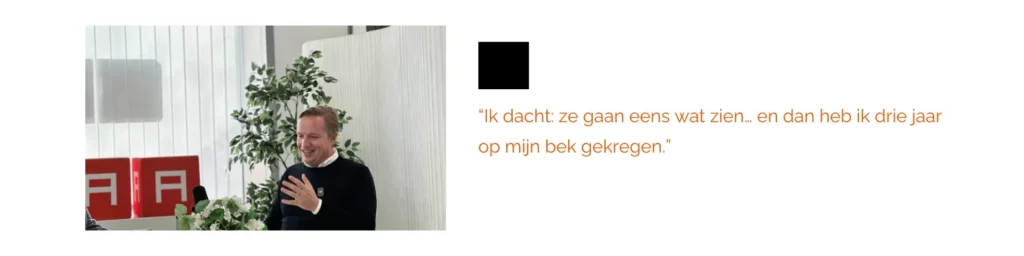
How do you combine creativity with financial discipline?
Entertainment is about creativity, experience, and emotion. At the same time, every production must make financial sense.
That tension makes Het Witte Paard an interesting business case. A show can be artistically strong, but without sufficient income and good financial planning, the model is not sustainable.
The solution does not lie in choosing between creativity and finance. Both must work together. Budgets, cash flow, and risk determine which creative choices are feasible, while strong productions and a strong brand can, in turn, create new revenue.
Creativity attracts the audience. Financial discipline ensures that you can also play the next season.
What is the most important entrepreneurial lesson according to Ben?
Amidst the stories and anecdotes, a remarkably down-to-earth vision emerges from Ben.
Don’t think you know it all better. And don’t do business that is exclusively about money.
For an entrepreneur, this means that growth is not just about numbers. A company must also offer long-term value to people, customers, partners, and the brand.
That makes his story relevant to many more sectors than just entertainment. Because behind every business are ultimately the same questions: how much risk do you take, how do you protect your cash flow, and how do you ensure that growth remains sustainable?
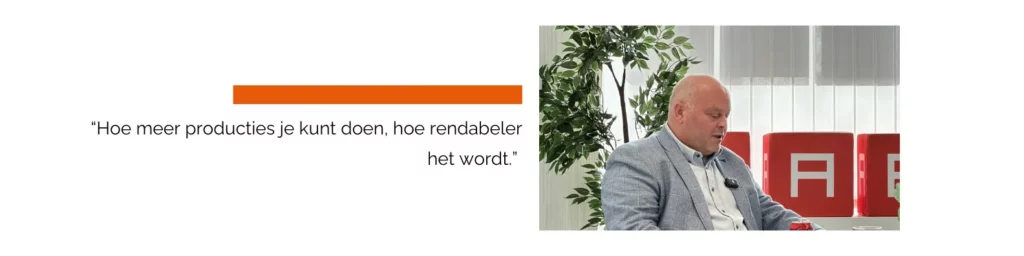
Conclusion: entrepreneurship is more than just growing
Ben Van den Keybus’s story shows that behind an iconic entertainment brand lie the same entrepreneurial principles as in many other companies.
Cash flow discipline, risk diversification, strategic growth, and the willingness to adjust form the foundation beneath the glitter and the show.
Het Witte Paard demonstrates an interesting paradox: getting bigger doesn’t automatically have to mean more risk. If activities reinforce each other and revenue streams are diversified, scale can actually provide more stability.
Whether you run a hotel, production house, SME, or consultancy firm: growth only becomes interesting when you also create the financial room to sustain that growth.
Frequently asked questions about Het Witte Paard, cash flow, and entrepreneurship
Ben Van den Keybus is a fourth-generation entrepreneur and the driving force behind the transformation of WP Hotels & Events, including Het Witte Paard.
Entertainment productions often require large investments before any revenue comes in. Good budgeting and covering the financing in advance are therefore essential.
The podcast mentions four major revenue streams: sponsorship, tax shelter, ticketing, and food & beverage.
By combining different activities and locations, revenue streams can be diversified and activities can commercially reinforce each other.
Contradiction can help entrepreneurs see other perspectives, recognize risks earlier, and adjust decisions.
Among other things, that cash flow, risk management, and strategic choices are just as important as growth. Additionally, Ben emphasizes the importance of listening to others and not thinking you know everything better.