
Smart debt collection and the psychology of debtors
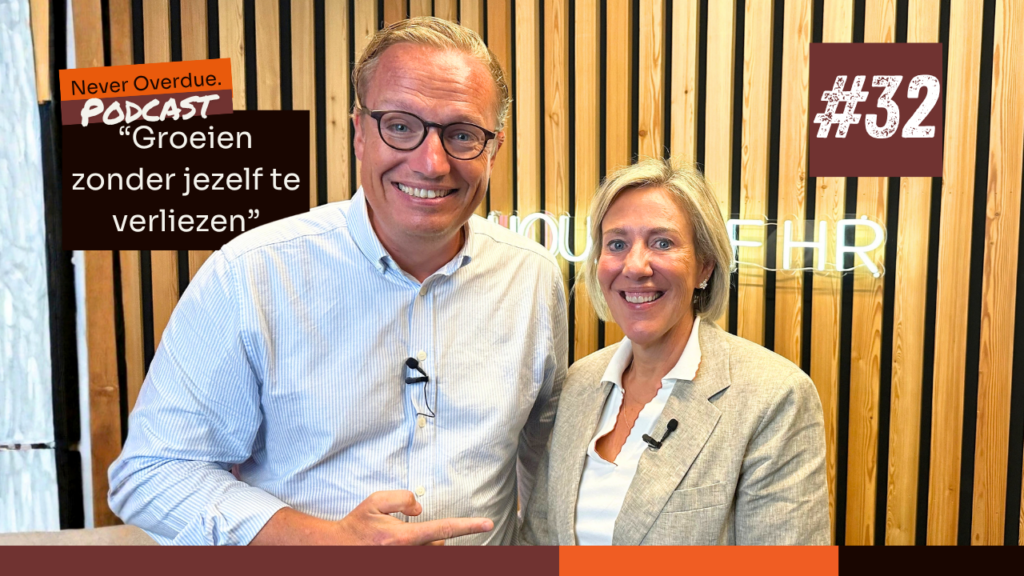
In this new episode of the Never Overdue podcast, we dive into the world of debt collection and accounts receivable management. How do collection agencies ensure invoices get paid? Why do some debtors keep coming back? And what role does personal contact play in this process? We discuss it all with an industry expert.
Listen to the full episode, also available on Spotify, and always stay one step ahead!
Why you shouldn’t miss this podcast
Recurring debtors: a ‘sport’ for some
Some debtors return year after year, even after settling their overdue payments. In practice, there are clients who have been paying their annual invoice—including costs and interest—for eight years straight. This raises the question: is a debtor sometimes a better customer than a regular one?

Additionally, there are debtors who deliberately let their debts mount with one supplier until they are blocked, and then move on to the next party. This pattern repeats until all options are exhausted.
“Some debtors really make it a sport to keep getting credit somewhere else.”
The importance of acting fast and extra costs
Many companies wait too long before handing over an unpaid invoice. This increases the chance that a debtor will continue to procrastinate. The solution? Act quickly and remain consistent in your approach.
“People only learn when they feel it in their wallets.”
Another crucial aspect is passing on costs and interest. By remaining consistent and not simply waiving these fees, the debtor learns that late payment has consequences. This discourages repeated defaults.
AI and automation: why personal contact still wins
Despite the rise of AI and automated systems, many collection agencies consciously choose a personal approach. This not only increases effectiveness but also ensures that debtors feel heard and are quicker to settle their payments.
“We guarantee our clients that we always seek personal contact with the debtor.”
This personal contact can even take the form of home visits. Often, the confrontation with a collection officer at the door is the moment a debtor acknowledges their payment problems and reaches a solution.
The right balance between pressure and empathy
An effective collection strategy is a combination of pressure and empathy. By offering incentives, such as a discount on additional costs for punctual repayment, debtors can be motivated to clear their debt faster.
“It’s a matter of give and take: if someone pays back correctly, we can meet them halfway on the costs.”
The future of debt collection: transparency and reliability
In a sector where mistrust often prevails, it is important to work transparently and build trust with both clients and debtors. This includes avoiding the use of QR codes or payment links to prevent phishing risks.

Additionally, mystery shopping and analyzing bankruptcy files play a role in gaining insights into certain companies and debtors.
About our guest:
Joeri De Backer – Flexcredit
Joeri De Backer helps companies and individuals in Belgium and beyond with smart, tailored debt management. Whether it involves collecting unpaid invoices or guidance through legal steps, Joeri and his experienced team ensure a fast and professional approach. With a personal touch and international partners, he turns difficult debts into a resolved story.
Why listen to this episode?
Want to know more about how debt collection works in practice? How companies deal with defaulters and which strategies work best? Then listen to the full episode of Never Overdue Podcast #12 and discover insights from industry experts.